
This post may contain affiliate links. Please read our disclosure policy.
I get asked all the time how to keep groceries fresh longer. There’s nothing worse than coming home with a haul of beautiful produce, only to watch half of it go soft and sad before you get a chance to use it.
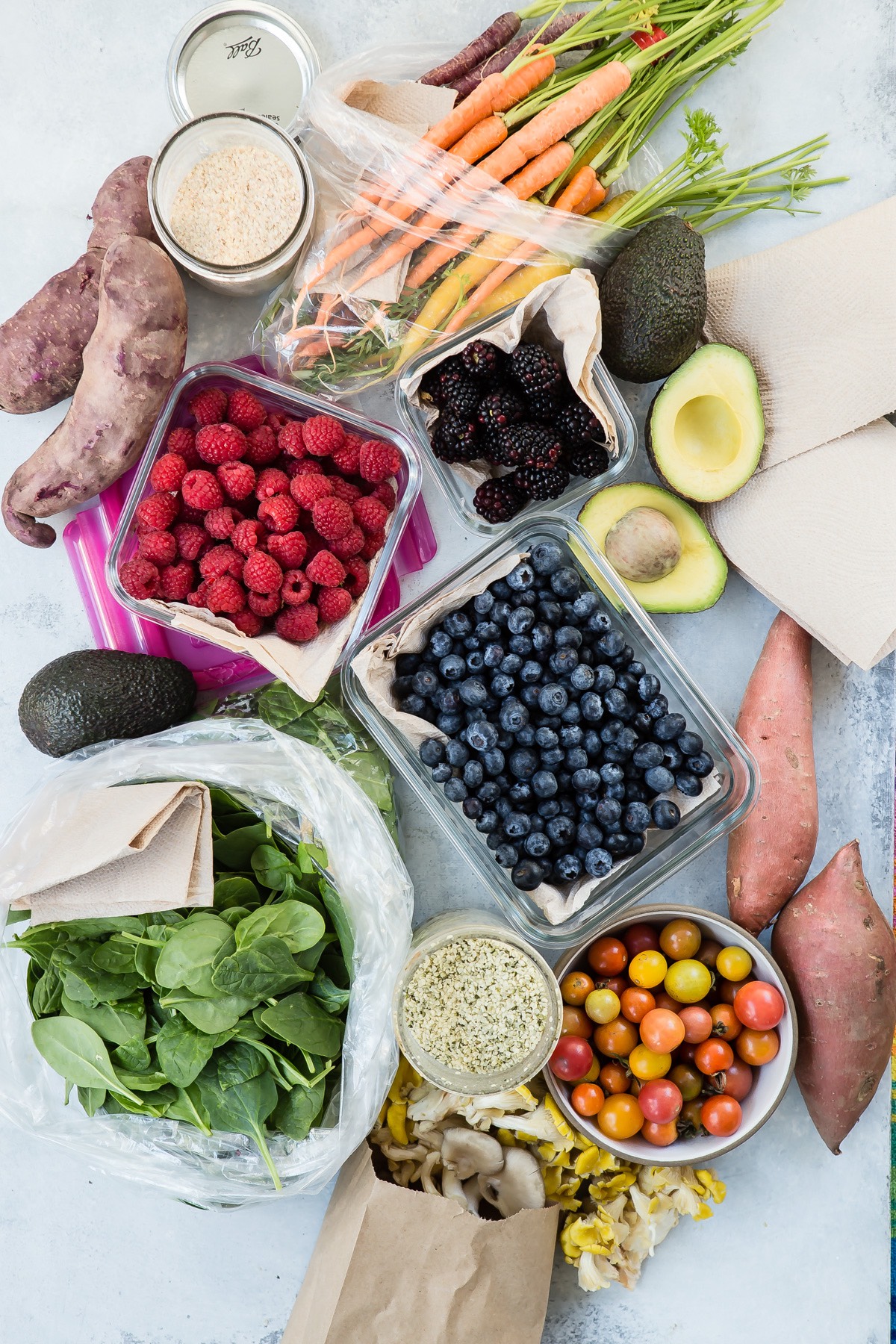
Every Sunday I shop at my local farmers market for the week’s fruits and vegetables, a ritual I’ve kept up for over 20 years. I love chatting with the farmers, tasting whatever’s just come into season, and watching my kids discover new foods. My one pet peeve is food going bad before I’m ready for it. Over the years I’ve figured out how to make my berries last up to two weeks and my greens even longer, and it only takes a few extra minutes when I get home. Here are all my best tips.
First, the one rule that changes everything: ethylene gas
If you remember nothing else, remember this. Some fruits (apples, bananas, avocados, tomatoes, stone fruit) give off a natural gas called ethylene as they ripen, and it speeds up ripening in everything nearby. So the simplest thing you can do is keep your ethylene producers away from everything else, especially your leafy greens and other vegetables. This one habit alone will save you a surprising amount of produce.
The flip side is handy too: if you want something to ripen faster, tuck it in a paper bag with an apple or banana overnight and the trapped ethylene will speed things along.
Berries
Don’t wash them until you’re ready to eat them. Moisture is what turns berries moldy and mushy, so keep them dry in the fridge. When you do wash them, a quick bath in one part white vinegar to three parts water, followed by a thorough drying, helps them last even longer. Store them in glass containers lined with a paper towel and leave the lid cracked to let excess moisture escape.
Leafy greens
If you’re using them within a few days, wash and dry them well (a salad spinner makes quick work of it), then wrap them in a paper towel before storing in a container or breathable bag. The paper towel absorbs the excess moisture that makes greens slimy. If your crisper drawer has a humidity setting, keep it on high for greens.
Fresh herbs
I like to treat fresh herbs like flowers. Trim the stems and stand them in a glass with an inch of water, then leave them on a sunny windowsill or in the fridge depending on the herb (soft herbs like basil prefer the counter, heartier ones like parsley and cilantro are happy cold).
Tomatoes, avocados, and bananas
These belong on the counter, not in the fridge, and away from each other and from your other produce since they’re big ethylene producers. Once an avocado or banana is as ripe as you like, you can move it to the fridge to buy a few more days. If your bananas are on the verge, follow this post for how to freeze bananas.
Mushrooms
Mushrooms need to breathe. Take them out of any plastic packaging and store them in a brown paper bag in the fridge, which keeps them from getting slimy.
Would you like to save this?
The crisper drawer
Line it with a paper towel to catch condensation, and use the humidity settings if you have them: high humidity for leafy greens, low humidity for fruits and anything that rots quickly. Store carrots, cucumbers, peppers, and other sturdy produce here, loose or in their original packaging.
Potatoes and onions
Keep both somewhere cool, dark, and dry, like a pantry drawer, but store them apart from each other. Onions give off moisture and gas that make potatoes sprout faster.
Nuts and seeds
These go rancid faster than people realize. Transfer them to an airtight glass container and keep them in the freezer, where they’ll stay fresh for a year or more.
My fruit fly trick
When summer produce is sitting out, fruit flies love to crash the party. I fill a small glass with a few tablespoons of apple cider vinegar, cover it with plastic wrap secured with a rubber band, and poke a few small holes in the top. The flies are drawn in and can’t get back out. Works every time. If this fails, try my new favorite gadget: this tennis racket/fruit fly zapper!
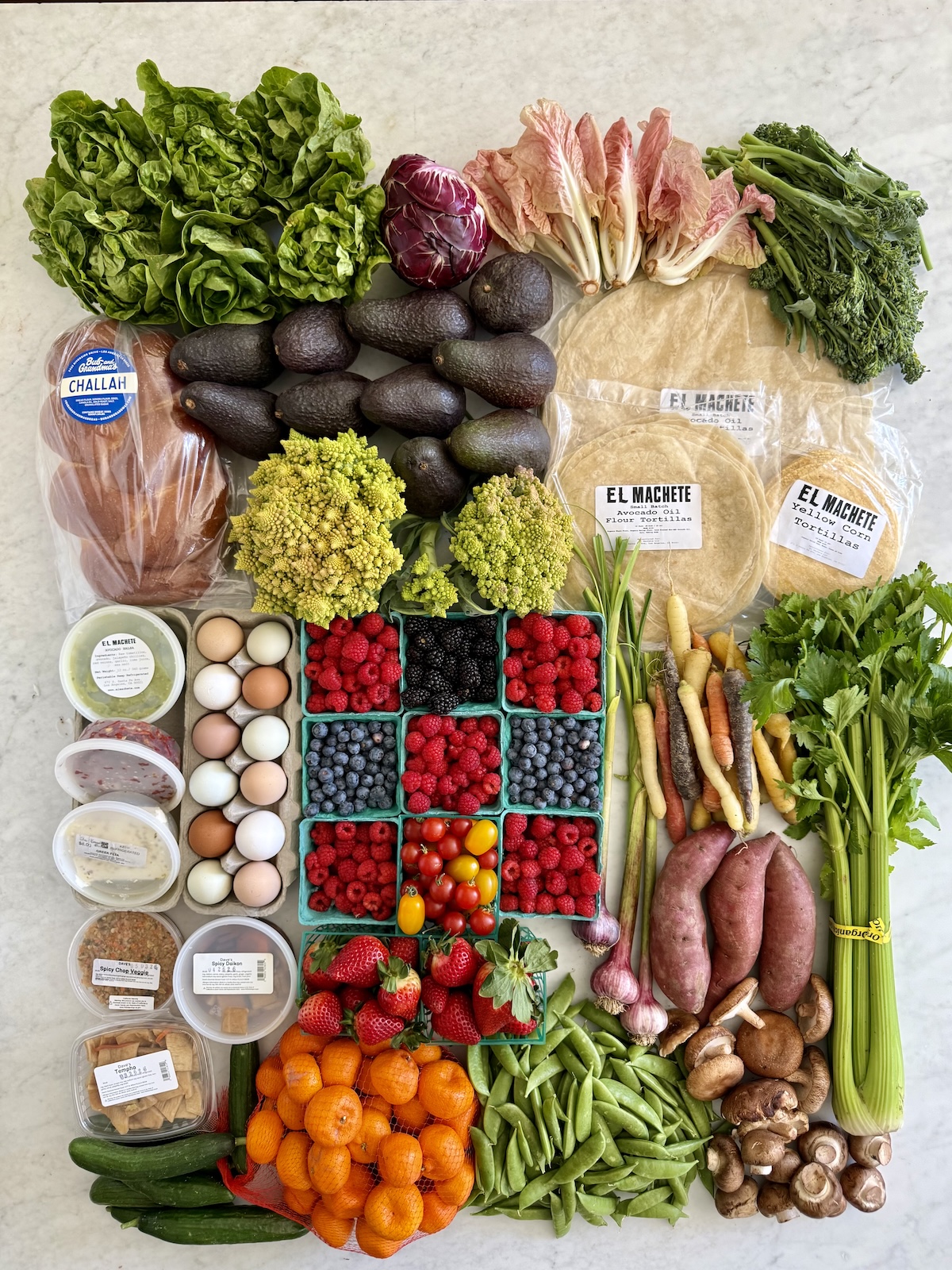
Do you have a produce storage trick I didn’t mention? Share it in the comments, I’m always looking for new ones. And if you want to take it a step further, grab my free guide to organizing your refrigerator, which pairs perfectly with these tips for keeping everything fresh and easy to find.
Want more Weelicious? Subscribe to my newsletter and follow me on Instagram, Facebook, and TikTok for all the newest recipes!




I found it helpful when you said that you could use paper towels to help absorb the excess moisture of fruits and veggies to prevent them from going bad faster. This is something that I will consider since I am planning to visit a local food market to shop for fruits and vegetables. Since I want to keep fresh for a long time, I will remember your tips. http://valentinofoodmarketridgewood.com/
I am an architect,pls how can I create a grocery plan which contains meat,milk,fish,and fresh vegetables production